
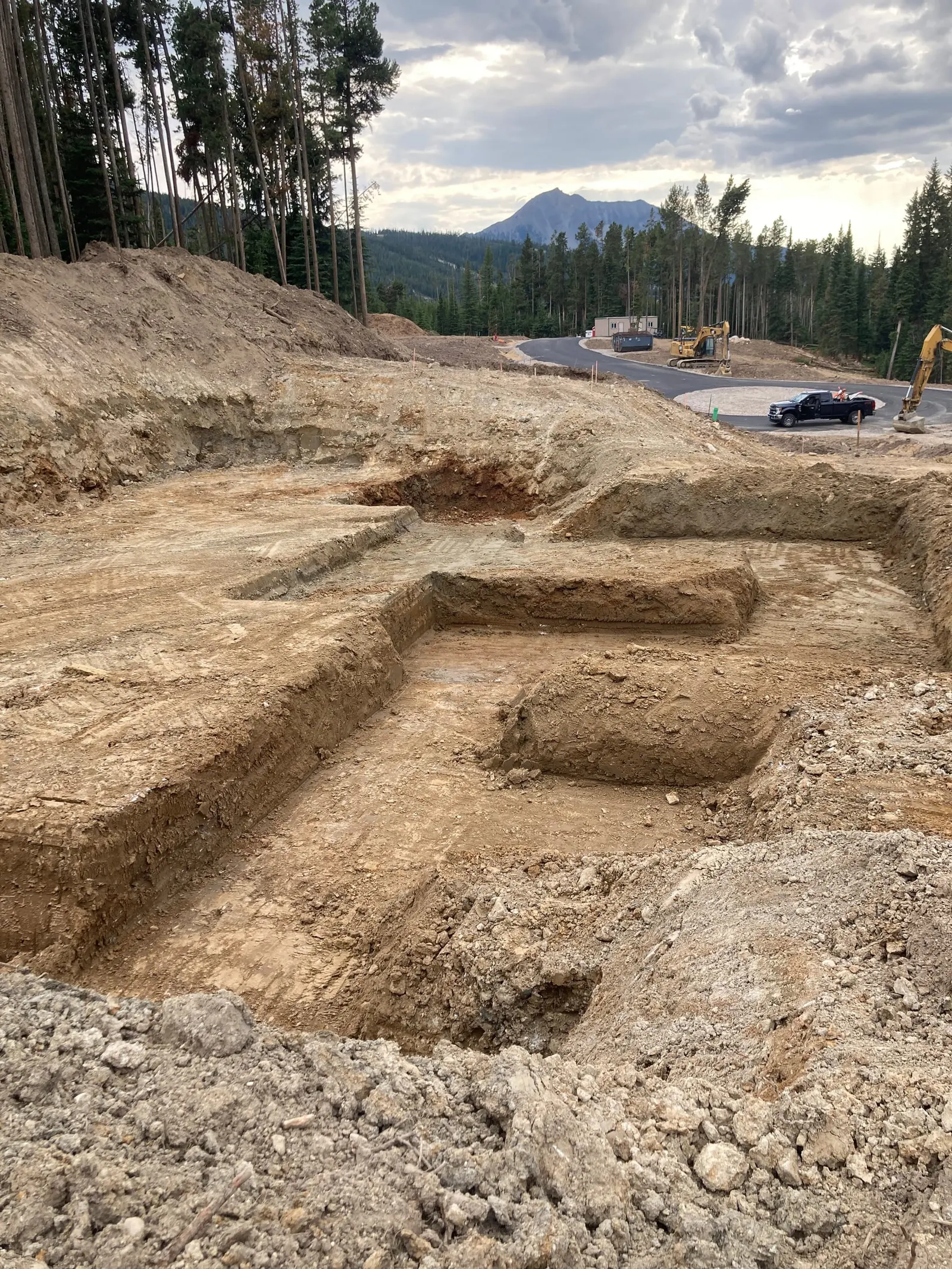
Dropping the building is the short part of the job. Everything around it is the work.
Demolition Services in Paradise Valley, Montana
When a structure has to come down, it is three jobs stacked together: taking it down in a controlled order, getting the debris off the property, and leaving ground somebody can build on. EZ Road Repair handles demolition for homes, ranches, and businesses across Emigrant, Livingston, Pray, Gardiner, and Chico — structure teardowns, concrete and slab removal, selective demolition, and debris haul-off, including remote sites where reaching the building is half the project. We work from the outside in with machines; we do not do interior gut-outs, drywall tear-out, or flooring removal.
When this matters
- An old house, cabin, barn, or outbuilding that is past saving and sitting where the new build goes
- A mobile home, shed, or grain bin that has to be off the parcel before anything else starts
- Cracked, heaved concrete — slabs, foundations, patios, driveways — that has to come out before new work goes in
- A fire-damaged or snow-collapsed structure that needs to come down before it comes down on its own
- An addition, lean-to, or failing section that has to go while the rest of the building stays standing
- Old corrals, scrap piles, and half-buried junk that need cleanup and haul-off
What actually happens on a teardown
A building comes apart roughly in reverse of how it went up. Roofing and upper structure first, then walls pulled inward so material falls into the footprint instead of toward whatever stands next to it, then the foundation. Everything gets separated as it comes down — steel roofing and structural metal to one pile, clean wood to another, concrete and masonry to a third — because sorted material hauls cheaper and more of it gets recycled.
The foundation is where teardowns get quietly expensive. Stem walls and footings have to come out, not get knocked below grade and covered, or the next crew finds them with a bucket. A basement or crawlspace left behind gets filled with clean mineral material in compacted lifts — never with wood, sheetrock, or shingles. Buried wood rots out and leaves voids, and a hole backfilled loose in one pass keeps settling for years, showing up as a rectangular dish in the lawn or a soft spot under a new driveway. Old septic tanks get pumped and removed or crushed and filled per Park County rules, and an abandoned well gets capped by a licensed driller, not by us.
Where this goes wrong
- Utilities assumed dead. Power, gas, water, propane, and septic all have to be confirmed disconnected or capped by the utility or the appropriate contractor before the first bite. “Nobody has lived here in years” is not a disconnect.
- Asbestos-era material found on demo day. Older buildings can carry it in floor tile and mastic, pipe and duct wrap, siding, roofing felt, and vermiculite attic insulation. Montana requires an inspection before many demolitions, and if it is present a licensed abatement contractor has to remove it first. We do not do abatement — we flag likely candidates early and schedule around that crew.
- Permits treated as an afterthought. Requirements differ between Park County, Gallatin County, and inside Livingston city limits, and can include state demolition notification. We will tell you what generally applies and coordinate timing, but the permit itself is between the owner and the jurisdiction.
- Debris buried or burned on site. Burying construction debris creates the settlement problem above and is not disposal. Open burning is seasonal and permitted, and treated or painted lumber cannot be burned at all.
- Machine sized to the building instead of the access. An excavator that reaches the ridgeline does no good if it cannot cross the bridge, cattle guard, or culvert on the way in.
- Bare ground left going into runoff. A scraped site with no grade and no cover feeds every gully below it when the snow comes off the Absarokas.
What remote Montana sites change
Most demolition out here is at the end of a two-track, on a bench above the river, or on a tight lot with alley access and overhead power. Access drives the equipment list and the haul plan: how many truck trips, whether an end dump can turn around, whether the access road needs work first. Frozen ground carries machines well and tears up less lawn, but haul roads, final grading, and seeding wait for spring — one more reason the short building season fills fast.
How we approach it
We start with a site walk: what is coming down, what is staying, where the utilities run, and how equipment gets in and loaded trucks get out. Disconnects, any required inspection, and permits get confirmed before demo day. Then we protect what stays — neighboring structures, wells, septic, fences, any slab you want to keep — and take the building down in order, sorting as we go. Debris is loaded and hauled, concrete recycled where practical. Foundations come out, holes get backfilled in compacted lifts, and the ground gets shaped so water leaves instead of ponding in the old footprint. From there it runs into the rest of the sequence: land clearing for what is left standing, site preparation and excavation for the new build, a compacted house pad, and drainage set before we pull off. If nothing new is going in, land reclamation puts topsoil and cover back on the disturbed ground.
Serving Paradise Valley & Southwestern Montana
Based in Emigrant, we handle demolition throughout Paradise Valley — Livingston, Pray, Chico, Gardiner, Springdale — and the surrounding ranchland.
Get a demolition estimate
Call (406) 623-9075 or request a quote. Tell us what is coming down, what is standing near it, and how a truck gets to it, and we will walk the site and put together a straight estimate with a plan for disconnects, debris, and timing.
EZ Road Repair and Excavation — locally owned, Montana tough.